Iranian Diaspora Protests at Los Angeles Stadium Ahead of World Cup Match
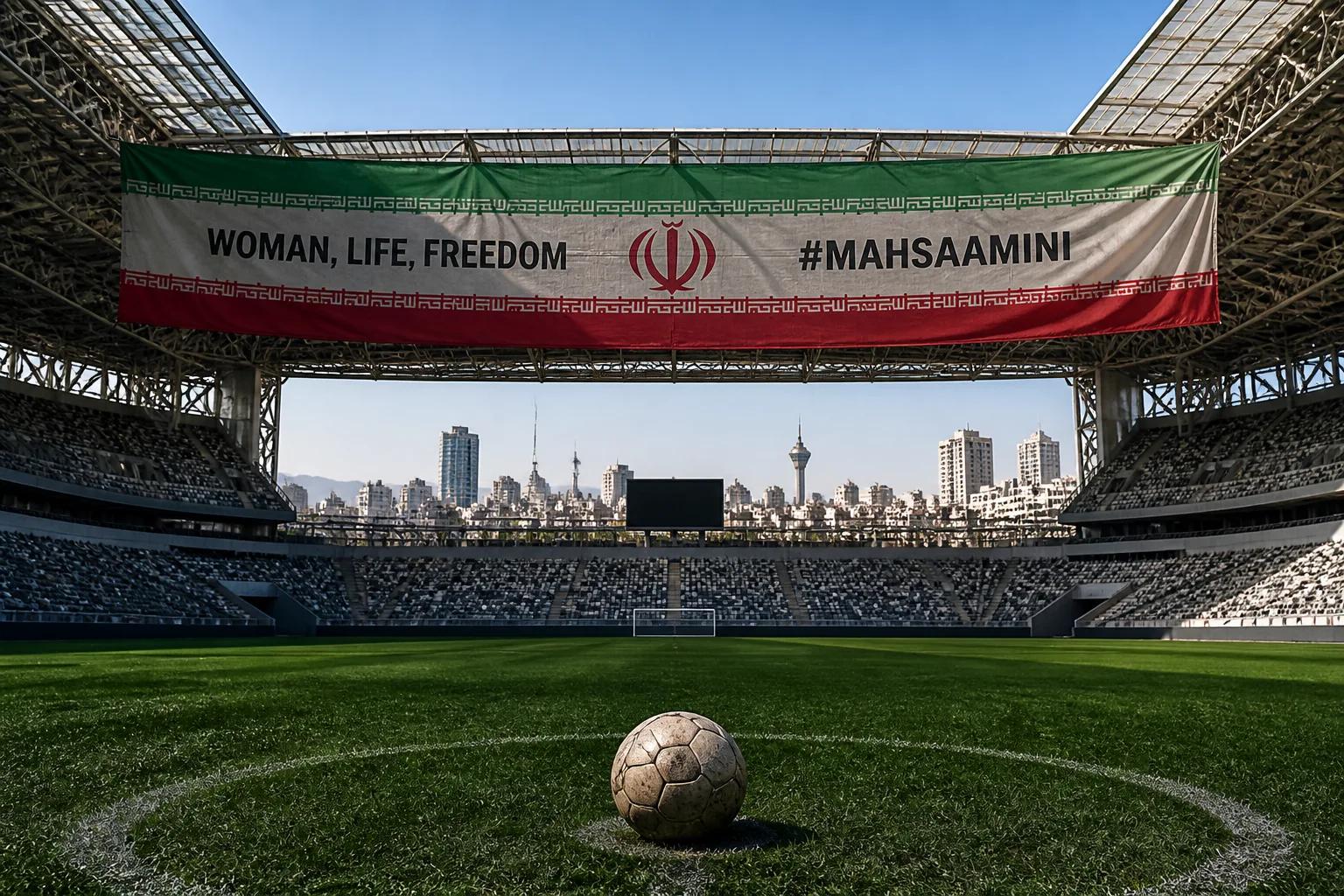
A wave of Iranian Americans gathered outside Los Angeles Stadium on Monday, wearing lion‑and‑sun T‑shirts and waving the pre‑1979 Iranian flag. The demonstration unfolded just hours before Iran’s Group D match against New Zealand in the 48‑team FIFA World Cup 2026, which will be played across the United States.
The Los Angeles area hosts the largest Iranian diaspora outside Iran, with estimates of 500,000 to 700,000 Iranian Americans. The community is concentrated in neighborhoods such as Westwood, Beverly Hills, and Santa Monica, collectively known as “Tehrangeles.”
Organizers said the rally was a response to the Iranian regime’s persecution of athletes and political prisoners. Protesters carried the lion‑and‑sun emblem, banned in Iran after the 1979 Islamic Revolution, and shouted slogans demanding freedom of expression. A similar protest took place Sunday outside the nearby Intuit Dome, a venue that will host several group‑stage and knockout matches during the tournament. The events underscore the long‑standing intersection of sports and politics that has accompanied the World Cup.
While the stadium filled with supporters of both teams, many fans emphasized soccer’s unifying power. “You would hope that soccer and sports brings unity. It brings everyone together, people on both sides of the aisle inside Iran and outside Iran,” said Dany Taheri, an Iranian fan interviewed by the Los Angeles Daily News. Carlos Castillo, a fan in the southern suburbs, expressed relief that the Iranian team was present: “I’m just really happy that they were able to come out and represent their country. There shouldn’t be politics involved. Unfortunately, that gets in the way sometimes, but I’m glad that they are here and representing.” John Rendon, an Ecuadorian supporter, added, “I’m from Ecuador, but soccer is soccer, and I just want to see some good football.”
The match on Monday was Iran’s opening game in Group D. Iran will play New Zealand on June 21 and Belgium on June 25. Belgium, ranked ninth in the FIFA world rankings, has a history of strong performances, including a third‑place finish at the 2018 World Cup. Iran, ranked 20th, has never advanced beyond the group stage. The squad has faced political scrutiny: in 2022 a former national team member was arrested for protesting against the government, and star striker Sardar Azmoun was omitted from the 2026 roster after a social‑media post angered authorities. Coach Amir Ghalenoei called Azmoun an “excellent player” and expressed regret that he could not be part of the team. After several officials were denied U.S. visas, the team moved its training base to Mexico from Tucson, Arizona. Captain Mehdi Taremi said at a press conference that the squad’s purpose is to bring joy to Iranians worldwide: “We play for every Iranian, be it in the diaspora or in Iran. People have different opinions, but we are here to unite people and we will try to bring joy to all Iranians wherever they live.”
The protests also reflected frustration over FIFA’s rule that bans political flags at matches. The Iranian American Institute for Voices for Liberty filed a lawsuit in California last week to challenge the rule, arguing that the pre‑revolution lion‑and‑sun flag is a historical symbol of opposition. During the opening ceremony, members of the largely American crowd booed when the Iranian flag was brought onto the field.
The World Cup, hosted by Canada, the United States, and Mexico, is the first 48‑team tournament. Los Angeles Stadium will host five group‑stage games and three knockout matches, making it a focal point for both sporting and political activity. As the Iranian community in Southern California navigates its identity amid global tensions, the World Cup has become a stage where sport, politics, and diaspora experience intersect.
The next Iranian match will take place on June 21 against New Zealand, followed by a clash with Belgium on June 25. The team’s performance and the surrounding protests will likely remain a point of interest for both fans and observers of international relations.