
San Diego Beaches Face Week-Long Rip Current Hazard as Southern Hemisphere Storms Drive Large Swells
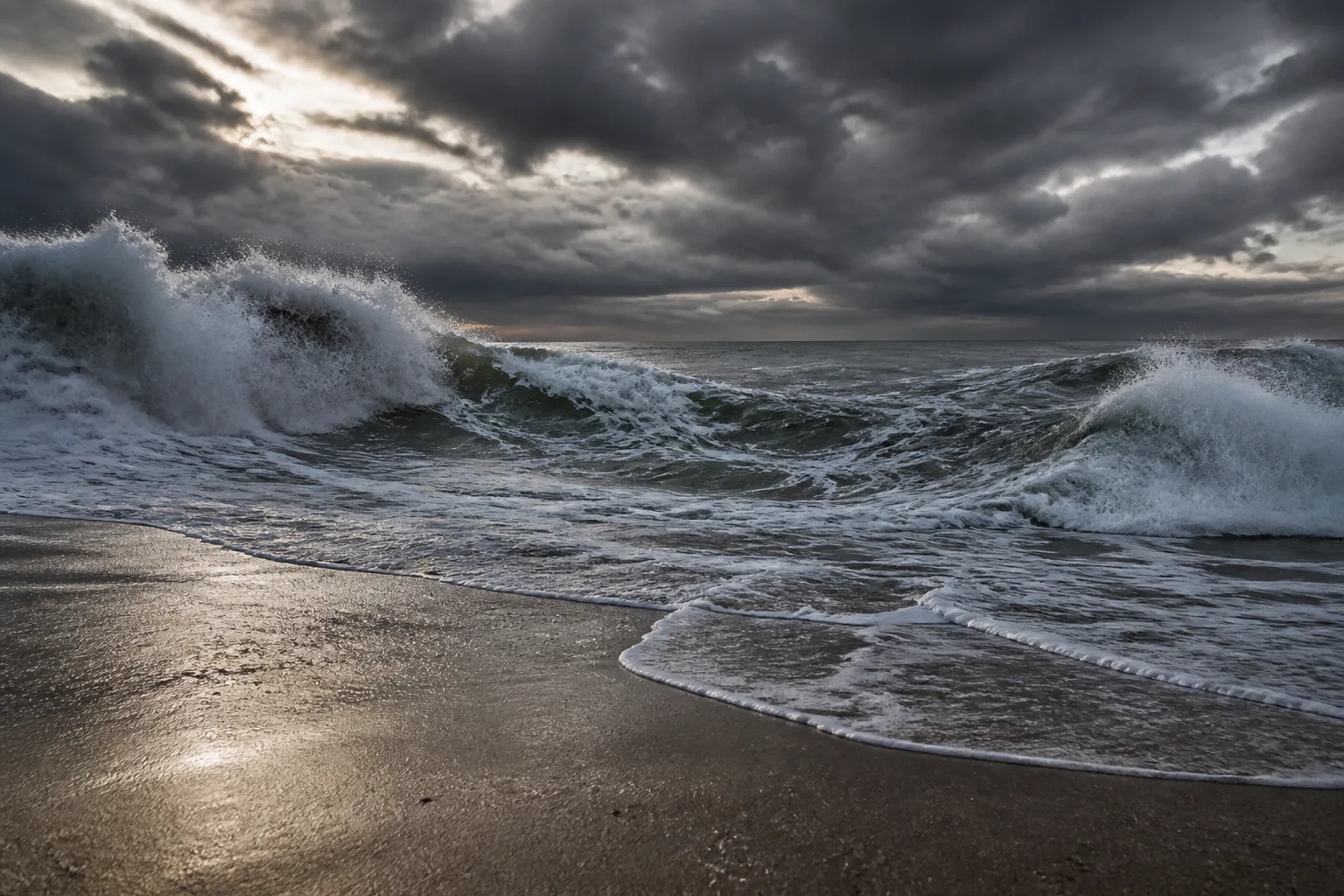
The National Weather Service (NWS) issued a Beach Hazard Statement on Monday that warns of life‑threatening rip currents and surf ranging from three to six feet along San Diego County’s coastline through Friday night. The alert, posted on the NWS San Diego office website, attributes the danger to long ocean swells that originate far south of the county’s beaches.
"Usually, we see the south swells come and impact our coast for a day or two, and that’s usually kind of the extent of our beach hazards statement," said Sebastian Westerink, a meteorologist with the agency. Westerink noted that while a couple of days of strong currents in May and June are normal, it is unusual for such powerful energy from the south and southwest to persist for an entire week. He explained that multiple storms in the southern hemisphere are delivering massive amounts of water onto Southern California beaches, especially the south‑facing stretches in northern San Diego and Orange counties.
The NWS statement also highlights how the hazardous surf has kept lifeguards busy along the coast. In Laguna Beach, emergency crews spent 24 hours searching for a young girl who was swept into the ocean by a large wave. In San Diego, lifeguards performed more than 385 rescues since last Sunday, most of which occurred in the Windansea area of La Jolla, according to city spokesperson Candace Hadley.
Hadley’s email to local media emphasized that the safest course of action is to stay out of the water during hazardous swimming conditions. For those who choose to enter the ocean, she advised swimming in front of a lifeguard tower, avoiding solitary swims, and, if caught in a rip current, remaining calm, swimming parallel to shore, and signaling for help.
The NWS Beach Hazard Statement, which remains in effect through Friday evening, highlights a high risk for rip currents accompanied by elevated surf and strong longshore currents along more west‑facing beaches. The agency recommends checking the latest forecast on weather.gov/beach/sgx before heading to the shore.
Rip currents are narrow, powerful channels of water that move directly away from the shore, cutting through lines of breaking waves. They are the leading cause of rescues by lifeguards on California beaches and can pull swimmers out to the edge of the breaking zone before dissipating.
The current swell pattern is typical of the summer season, when storms in the southern hemisphere generate long swells that travel across the Pacific. While the surf is slightly lower than in previous weeks, hazardous conditions still exist, and the NWS advises beachgoers to heed the warning.
The extended rip current alert underscores the importance of public awareness and preparedness. Local authorities and lifeguard teams are monitoring conditions closely and are ready to respond to any incidents.
The NWS will update the Beach Hazard Statement as conditions evolve. Residents and visitors to San Diego County’s beaches are urged to stay informed and to follow lifeguard instructions.
The warning is part of the NWS’s broader effort to protect Californians from coastal hazards, including the ongoing impacts of the 2026 Pacific hurricane season and the associated swell activity.
For real‑time updates, the NWS San Diego office recommends visiting weather.gov/beach/sgx and following local lifeguard stations on social media.
The extended rip current risk highlights the need for continued vigilance as Southern California’s beaches remain a popular destination for recreation and tourism.
The NWS’s statement serves as a reminder that even moderate surf can combine with strong currents to create dangerous conditions for swimmers and surfers alike.