
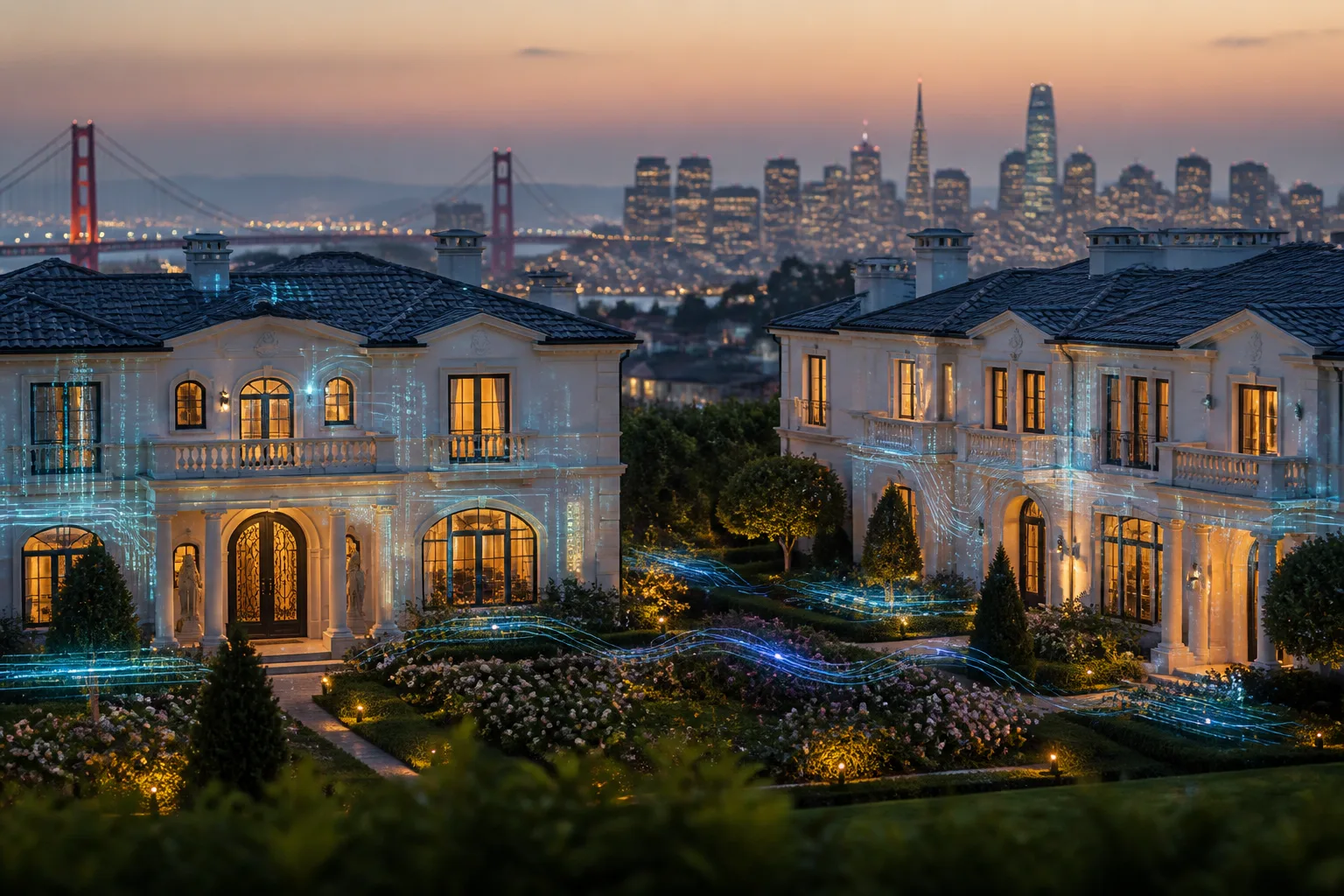
Two $10-Million+ Mansions Sold in San Franciscos Presidio Heights as AI-Driven Housing Crunch Continues
At the corner of Jackson and Locust, a corner that has long drawn the city’s tech elite, a five‑bedroom, five‑bathroom mansion changed hands for $21 million on June 8. The sale, which never appeared on a public listing, was executed by Richard “Dick” Bradley—co‑founder of the railroad‑themed restaurant chain Victoria Station—and his wife Monene. Their Delaware‑incorporated buyer, 3501 Jackson LLC, closed the deal quietly, following Bradley’s original purchase of the home in 2007 for $11 million from former Charles Schwab CEO David Pottruck.
Just a block away, in the upscale enclave of Presidio Terrace, another high‑end property changed owners the next day. Five‑bedroom, four‑bathroom house at 4 Presidio Terrace was sold for $11 million to Woodrow Levin, founder and CEO of San Diego‑based software company Extend, and his wife Gretchen. The transaction included a $6 million loan from FundLoans Capital and marked the exit of long‑time residents David Brailer, an economist and former Chief Technology Officer at health‑insurance giant Cigna, and his husband Matthew Rhoa.
These two deals represent the fourth and fifth single‑family homes priced above $10 million to change hands in Presidio Heights this calendar year. The neighborhood’s luxury market has tightened sharply as San Francisco’s median home price climbed to $2.2 million in 2026—an all‑time high—while demand for high‑net‑worth buyers continues to outpace supply.
California state data shows the artificial‑intelligence sector has created a wave of new millionaires and billionaires. Many of these individuals are purchasing single‑family homes in the city’s most affluent districts, turning the housing shortage into what some analysts now call a “mansion shortage.” Neighborhoods such as Presidio Heights, Pacific Heights, and Nob Hill are experiencing the most intense pressure.
Industry observers note that the anticipated initial public offerings from AI companies Anthropic and OpenAI later this year could further fuel the trend. The IPOs are expected to produce a new cohort of ultra‑high‑net‑worth buyers, tightening the luxury market even more and potentially pushing prices upward.
The transactions also underscore the ongoing presence of tech executives in San Francisco’s historic neighborhoods. Levin’s purchase follows a pattern of executives moving into Presidio Terrace—a district that has historically housed families like the Feinsteins and Pelosis. Meanwhile, Bradley’s sale highlights the long‑standing appeal of Presidio Heights to affluent retirees and philanthropists.
Both deals were conducted through private entities and remained off‑market, a practice that has become increasingly common for high‑value real‑estate transactions in the city. Public records show that buyers often hold their interests in Delaware corporations, a structure that offers anonymity and tax advantages.
Beyond the individual homeowners, these sales illustrate broader dynamics in California’s housing market. The scarcity of high‑priced single‑family homes is a symptom of a system that has struggled to keep pace with the influx of capital from the AI boom. As the median home price stays elevated, the state’s housing supply‑demand gap is likely to persist.
In short, the $21 million sale of Bradley’s Presidio Heights mansion and the $11 million purchase by Levin in Presidio Terrace are part of a larger pattern of luxury real‑estate transactions that reflect San Francisco’s ongoing housing shortage and the influence of the AI industry on the city’s economy and demographics. The next steps for the market will hinge on the timing of the anticipated AI IPOs and the city’s ability to manage supply and demand in its most expensive neighborhoods.