
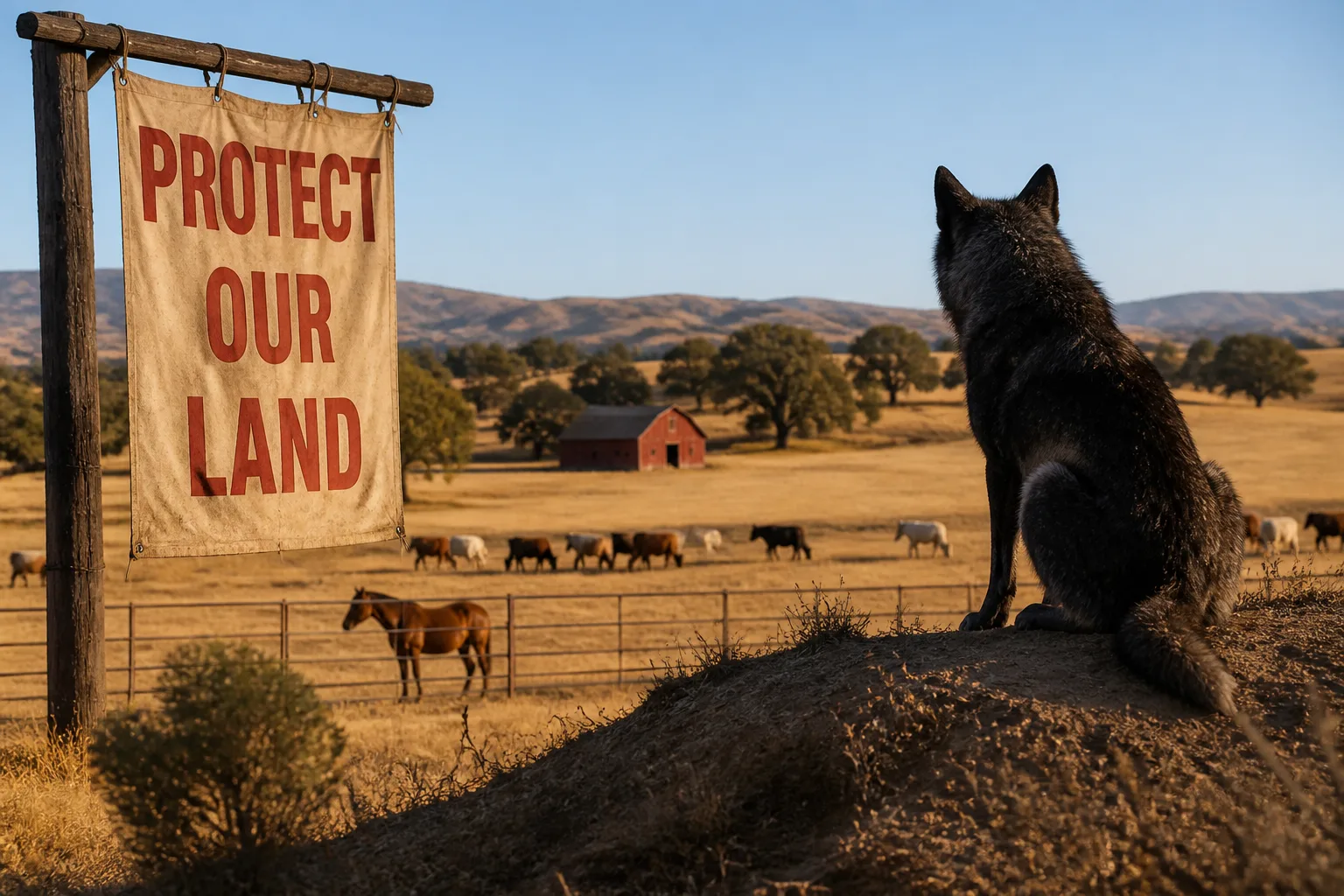
California Rallies to Address Rising Wolf Attacks on Northern Livestock
On Wednesday, July 1, Assemblywoman Heather Hadwick, Siskiyou County Sheriff Jeremiah LaRue, and rancher Cheryl Woodson held a news conference at the California State Capitol to urge lawmakers to address the growing number of gray‑wolf attacks on livestock in Northern California. The event was held in Northstate and aimed to bring attention to a problem that has been largely unknown to many legislators.
The speakers cited a series of recent incidents. According to the California Department of Fish and Wildlife, 21 livestock attacks were confirmed in the first three months of 2026, and 25 documented livestock kills have been attributed to wolves in the state so far this year. Sheriff LaRue referenced research from the University of California, Davis, which found that cattle make up about 86 % of the gray‑wolf diet statewide, with the percentage exceeding 90 % in parts of Siskiyou County. The research also noted that by October 2025, 92 cows and calves had been injured or killed by wolves.
Assemblywoman Hadwick highlighted that the issue is a “District 1 problem” and that many lawmakers were unaware of the presence and impact of wolves in California. She emphasized the need for policy solutions and noted that the state budget does not currently include funding to compensate ranchers for cattle lost to wolf depredation. The California Department of Fish and Wildlife’s Wolf‑Livestock Compensation Program, which was restored to a $2 million allocation for the 2025‑26 fiscal year, is administered through the Biodiversity Conservation Program.
Rancher Cheryl Woodson described the emotional toll of wolf attacks on her family’s ranch in northeastern Siskiyou County, saying, “I’ve had nightmares every single night about wolves. We see them in the daytime by our house. We see them in the daytime through our cattle. We shouldn’t have to live in constant fear.” Her testimony underscored the broader impact on ranchers’ daily operations and peace of mind.
California law protects gray wolves, and the state’s expanding wolf population has fueled an ongoing debate over balancing wildlife conservation with the needs of ranchers in rural communities. The state’s wolf population has grown to 12 packs by 2026, a 10 % increase in 2025, and nine packs were reported by the end of December 2025. The growing number of depredations, combined with the lack of compensation for livestock losses, has intensified calls for additional management tools.
The event’s message was clear: lawmakers in District 1 and across the state need to recognize the scale of the problem and to support existing compensation mechanisms while exploring additional measures to protect livestock. The conference also served to inform legislators who were previously unfamiliar with the issue, providing them with data and personal accounts that illustrate the economic and emotional costs to ranchers.
The current situation is that the wolf‑livestock conflict is increasing, the compensation program is in place but limited, and ranchers are seeking more robust support. The event at the State Capitol highlighted the urgency of the issue and the need for continued attention from state officials.
The next steps for affected ranchers will involve applying for compensation under the existing program, while lawmakers may review the program’s funding and consider additional policy options to address the rising wolf depredation.