
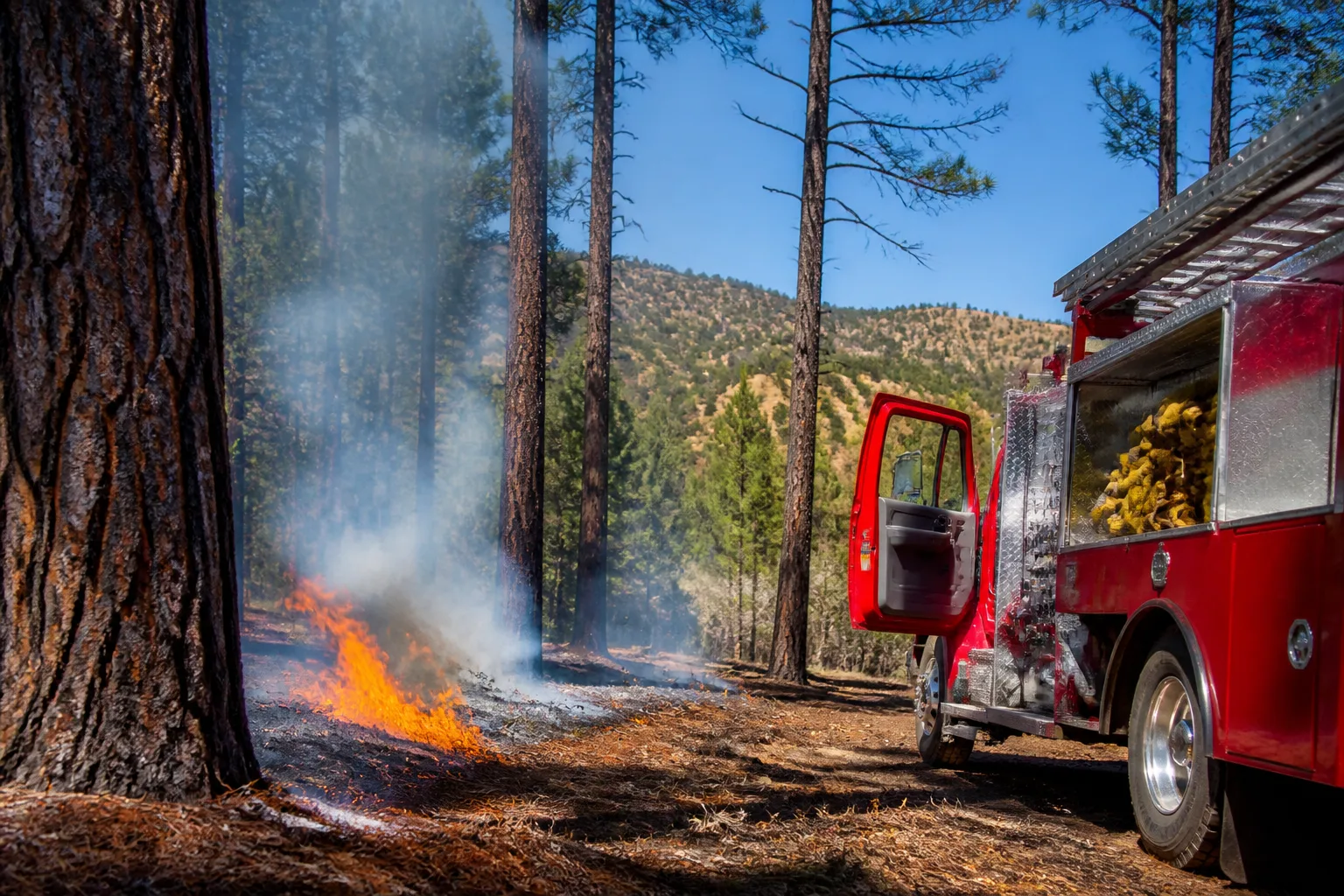
McKean Fire: 10-Acres Vegetation Blaze Near San Jose Controlled by Cal Fire
A 10‑acre vegetation fire, named the McKean Fire, erupted south of San Jose on Sunday afternoon and was brought under control by Cal Fire crews. The blaze began in an unincorporated area just outside the city limits, near the intersection of Almaden Road and Mountain Drive, and spread at a moderate rate before air and ground resources were deployed.
Cal Fire’s Santa Clara County unit first reported the fire at about 1:48 p.m. The incident was classified as a vegetation fire, meaning it was burning primarily on grasses, shrubs, and other non‑tree fuels. By 3:30 p.m., the department’s initial assessment estimated the fire had consumed roughly 10 acres. The fire’s growth was described as moderate, and crews were able to establish a perimeter and prevent the blaze from threatening nearby structures.
The response included both aerial and ground teams. Helicopters and fixed‑wing aircraft supplied water and retardant to the fire line, while ground crews used hand tools and bulldozers to create firebreaks. The combined effort was coordinated from the Cal Fire command center in Santa Clara County. Local authorities advised residents and drivers to avoid the area while equipment was staged.
The McKean Fire occurred in a region that has seen frequent vegetation fires in recent years. Santa Clara County, which surrounds the city of San Jose, is part of the larger Silicon Valley economy and has a population of nearly 2 million people. The county’s unincorporated lands are managed by Cal Fire and the California Department of Forestry and Fire Protection, which oversees fire protection for 31 million acres of state land.
Wildfires in California are driven by a combination of dry weather, high temperatures, and wind. The state’s climate system often produces below‑normal precipitation and above‑normal temperatures during the summer months, creating conditions that favor rapid fire spread. In the case of the McKean Fire, the moderate rate of spread was likely influenced by the type of vegetation and the relatively low wind speeds reported at the time.
The fire’s containment status was reported as “contained” by Cal Fire’s incident command. While the blaze was limited in size, it highlighted the ongoing need for preparedness in the region. Cal Fire officials routinely conduct public outreach to educate residents about fire safety, especially in unincorporated areas where access to fire services can be delayed.
The incident was documented in the California Fire Incident Database, which records all fires that exceed 10 acres or pose a threat to life or property. Although the McKean Fire was below the 10‑acre threshold for automatic reporting, the department’s real‑time monitoring system captured the event and dispatched resources promptly.
Local news outlets, including CBS News and the Fresno Bee, reported on the fire’s progression and the response efforts. The coverage emphasized that the fire was contained without damage to homes or infrastructure, and that no injuries were reported.
The McKean Fire serves as a reminder of the persistent wildfire risk in the San Jose area. Cal Fire continues to monitor weather conditions and fuel moisture levels, and the department maintains a network of fire lookout towers and satellite monitoring to detect new fires early.
At present, the fire is fully contained, and Cal Fire has not issued any evacuation orders. Residents in the surrounding area are advised to stay informed through the department’s website and local news channels for updates on any future incidents.
The department’s next steps will involve a post‑incident assessment to determine the fire’s cause and to evaluate the effectiveness of the response. Cal Fire will also review the fire’s impact on local ecosystems and plan for any necessary rehabilitation work.
In the broader context, the McKean Fire underscores the importance of continued investment in wildfire prevention and response infrastructure across California, especially in high‑population regions like Santa Clara County that are adjacent to critical economic centers.