Giants Players Protest Pride Night Caps, Spark Controversy in San Francisco
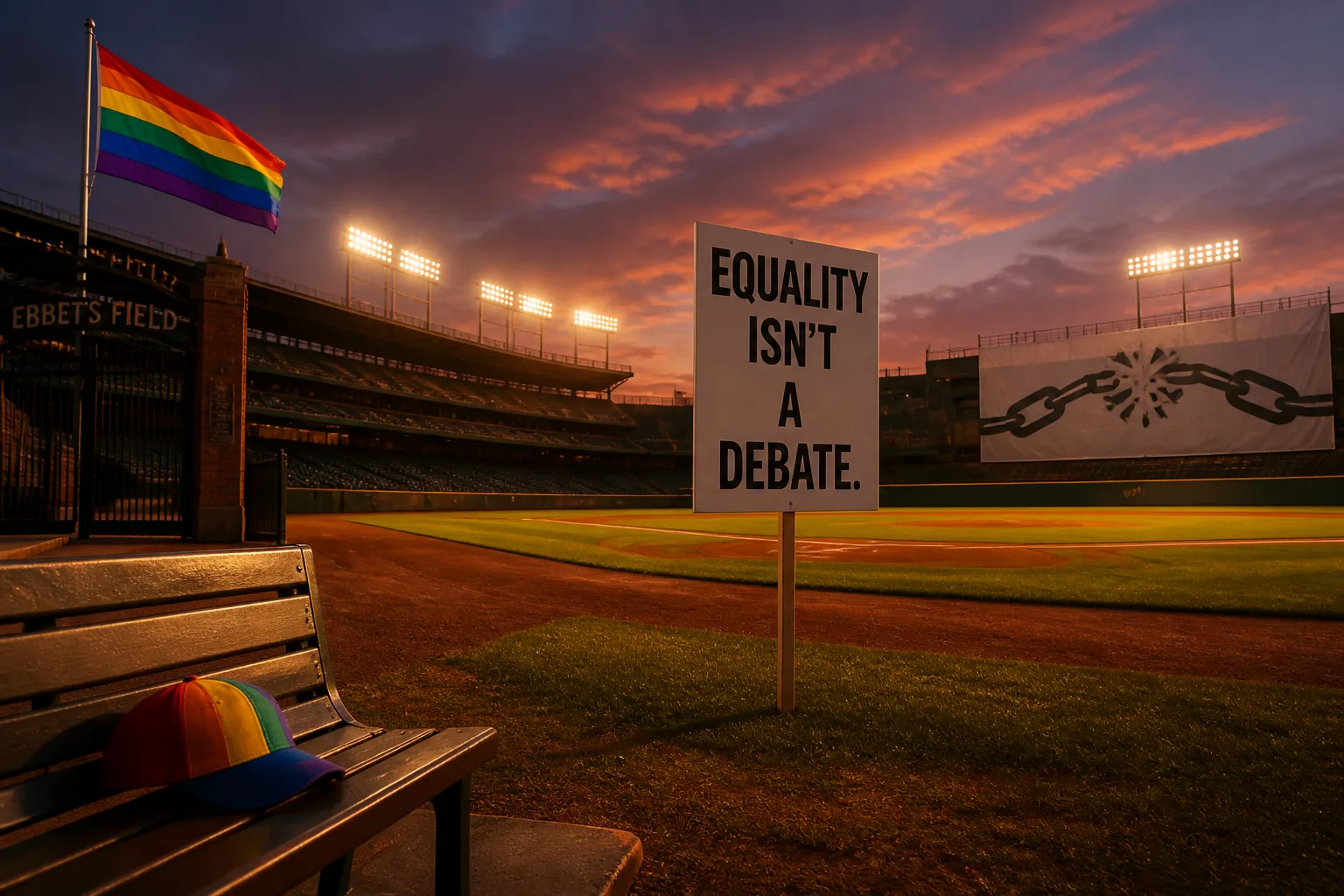
Friday night at Oracle Park was supposed to be a celebration of diversity, but the San Francisco Giants’ annual Pride Night turned into a flashpoint when four pitchers altered the team’s rainbow‑colored caps. One pitcher declined to wear the cap at all, while three others inked the Genesis 9:13‑15 passage onto the hats.
The move drew sharp criticism from fans, local businesses, and Major League Baseball (MLB). The Giants’ front office issued only a brief statement that baseball should welcome everyone, and the team declined most media interview requests.
Pride Night has been a Giants tradition since 2021, and the franchise has hosted LGBTQ+‑focused events dating back to 1994. The 2026 celebration marked the 26th year of the tradition. In a June 12 MLB press release, the Giants said, “The San Francisco Giants are proud to support Pride Night and the LGBTQ+ community …”
After the game, MLB officials warned the pitchers who wrote the verses, citing the league’s policy that prohibits the display of religious symbols on team apparel during official games.
The controversy spilled into the Castro neighborhood. Hi Tops, a gay‑sports bar that opened in 2012, was packed with patrons watching the World Cup match between Switzerland and Bosnia‑Herzegovina. Bartenders declined to comment, but several customers expressed their views. Mark Weston, a religious‑studies graduate, said the verses “have nothing to do with the Catholic fight against homosexuality. They talk about loving all of God’s creatures.” He added that the Giants had given players the choice to wear the Pride caps, but that defacing the hat was “stupid.”
Kevin Atkinson, an Oakland Athletics fan who wore an A’s cap to the game, criticized the players for not understanding San Francisco’s values. “If you’re going to play in a city that has its own values and its own way of doing things, and you don’t want to be a part of that, then you should go play somewhere else,” he said. He noted that the Texas Rangers still do not hold a Pride Night.
Todd Pickering, who was at Oracle Park on the day of the protest, said he had not noticed the caps while watching the game. He called the protest “angry” and suggested that the players could have simply sat out the game instead of altering the hats. Pickering also referenced a recent comment by Vice President JD Vance on X that “Trump won, we don’t have to do this anymore,” which he said added insult to injury.
The backlash extended beyond the bar. San Francisco Mayor Daniel Lurie publicly expressed disappointment, calling the night “rough” but emphasizing the need for continued education about LGBTQ+ inclusion. A local lawmaker described the players’ display as “undisciplined.” Meanwhile, the Los Angeles Dodgers recently unveiled a memorial to former players Glenn Burke and Billy Bean, the first MLB players to identify as gay, adding a comparative dimension to the debate.
The Giants’ decision to withhold interviews came after several outlets, including SFGATE and Fox News, requested comments. The team’s single statement focused on the inclusive nature of baseball, without addressing the specific actions of the players.
MLB’s warning to the pitchers was issued after the league reviewed the incident. The warning cited the league’s policy that prohibits the display of religious symbols on team apparel during official games. The Giants’ coaching staff and front‑office officials have not yet issued a public response beyond the initial statement.
The incident has reignited discussions about the intersection of faith and sports, the role of Pride Night in professional baseball, and how teams balance individual expression with collective team branding. As of now, no further disciplinary action has been announced, and the Giants have not indicated plans to alter the design of future Pride caps.
The controversy underscores the ongoing tension between religious expression and LGBTQ+ advocacy in California’s sports culture. It also highlights the broader debate about how public figures navigate personal beliefs in the context of team traditions and community expectations.
The next steps remain unclear. MLB’s warning suggests that the league will monitor the situation, while the Giants’ public relations team may prepare a more detailed response. Fans and stakeholders in the Bay Area continue to watch closely as the conversation evolves.